
IV Therapy: Best Practices for Safe and Effective Intravenous Administration
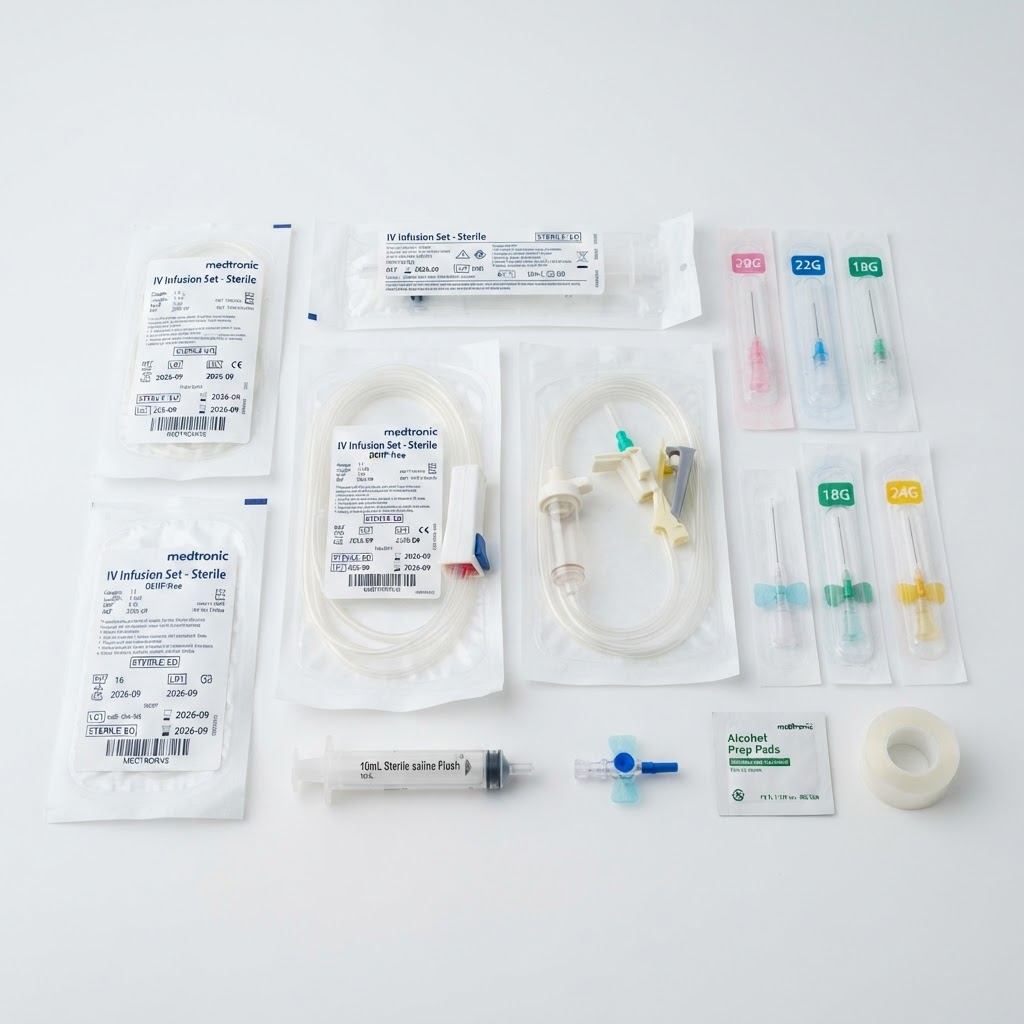
Intravenous (IV) therapy is one of the most common medical interventions in healthcare settings. From fluid replacement to medication administration and blood transfusions, IV therapy is essential for patient care. However, improper IV insertion and maintenance can lead to serious complications including infection, phlebitis, and infiltration. Mastering IV therapy best practices is critical for healthcare professionals across Ghana and Africa.
Understanding Intravenous Therapy
IV therapy involves inserting a catheter into a vein to deliver fluids, medications, or blood products directly into the bloodstream. This route bypasses the digestive system, providing rapid therapeutic effects and reliable medication delivery in situations where oral administration isn't possible or practical.
Peripheral IV Catheter Selection
Choosing the appropriate catheter is critical:
- 18-20 gauge - for rapid fluid administration (trauma, surgery)
- 20-22 gauge - standard for most medical and surgical patients
- 24 gauge - for fragile veins (pediatric, elderly patients)
- Length selection - consider vein location and therapy requirements
- Material - stainless steel vs. plastic considerations
Proper IV Insertion Technique
Successful IV insertion requires:
- Appropriate patient positioning
- Vein selection - choosing appropriate size and location
- Aseptic technique - hand hygiene and skin preparation
- Proper needle angle (15-30 degrees)
- Smooth advancement with correct depth
- Verification of blood return before threading catheter
- Proper securement with tape or transparent dressing
Infection Prevention
Catheter-related infections are a major complication of IV therapy. Prevention strategies include:
- Rigorous hand hygiene before insertion and maintenance
- Appropriate skin antisepsis (70% alcohol, chlorhexidine, or iodine-based)
- Sterile technique during insertion
- Regular dressing changes and site monitoring
- Prompt removal of lines no longer needed
- Regular flushing with appropriate solutions
Site Assessment and Monitoring
Regular assessment of IV sites is critical for early detection of complications:
- Redness or swelling - signs of phlebitis or infection
- Pain or tenderness - may indicate infiltration or thrombosis
- Drainage - may indicate infection
- Extravasation - leakage of fluids into surrounding tissues
- Proper functionality - blood draw capability and fluid flow
Duration and Replacement
Peripheral IV catheters should generally be replaced every 72-96 hours to reduce infection risk. Central venous catheters have different protocols. Any catheter showing signs of complications should be removed immediately and replaced if therapy continues.
Patient Safety Considerations
Patients receiving IV therapy need:
- Explanation of therapy and what to expect
- Instructions on immobilization to prevent displacement
- Information about signs requiring immediate notification
- Adequate pain management for insertion
- Monitoring for complications throughout therapy
Special Considerations in Resource-Limited Settings
Healthcare facilities across Ghana and Africa often face challenges with IV therapy including limited catheter options, variable supply chains, and less frequent monitoring capacity. Mastering proper technique becomes even more important when resources are constrained.
Continuing Education
IV insertion and maintenance skills must be maintained through regular practice and continuing education. Healthcare facilities should implement competency assessments and ongoing training programs to ensure staff maintain these critical skills.
Ensure safe, effective IV therapy with high-quality infusion supplies and equipment from CharlieClems Enterprise. Our products and comprehensive training resources support healthcare professionals across Ghana in delivering the best possible patient care.
Interested in these products?
Browse our full catalog of other medical products or contact us for bulk orders and custom solutions.
View Other Medical Products