
Personal Protective Equipment: Building a Culture of Safety in Healthcare
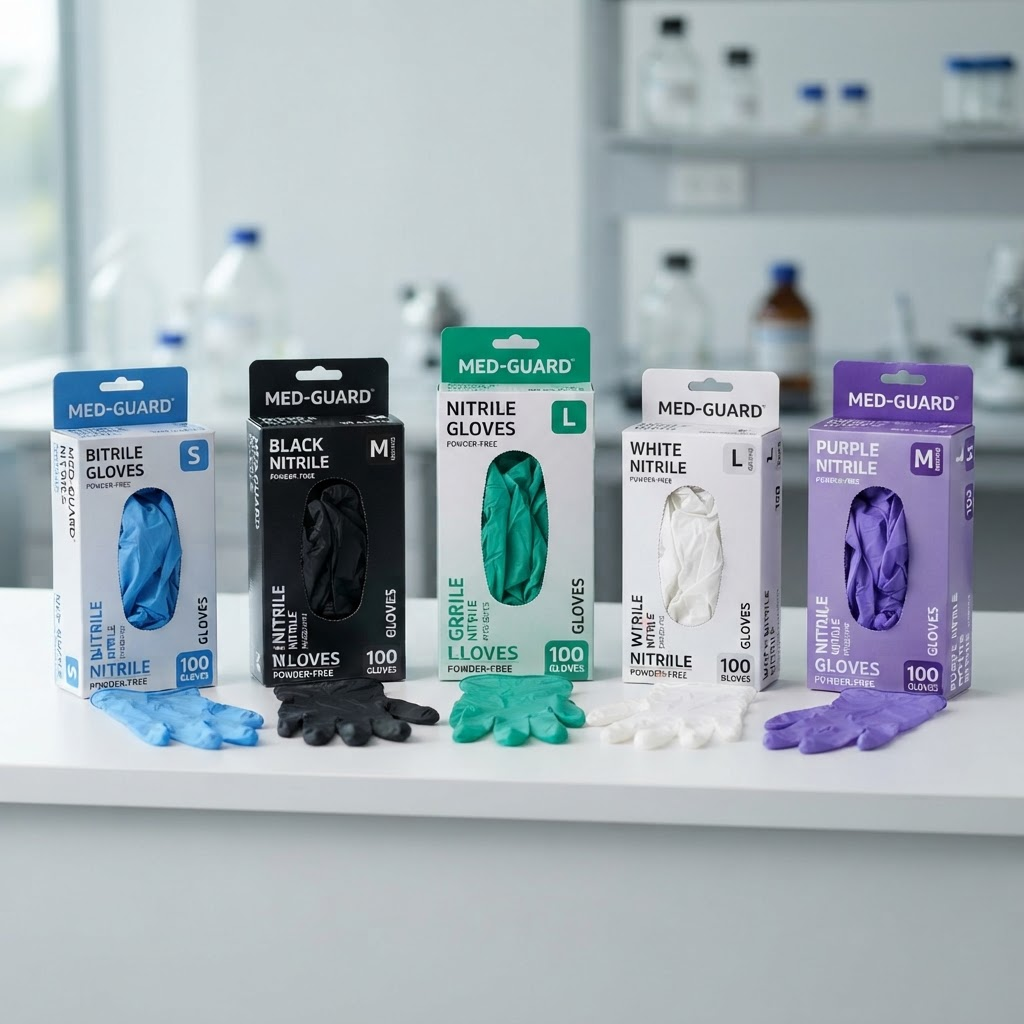
Personal Protective Equipment (PPE) is the last line of defense between healthcare workers and infectious diseases. The COVID-19 pandemic dramatically highlighted the critical importance of adequate PPE availability and proper usage. Across Ghana and Africa, healthcare facilities are strengthening their commitment to worker safety by investing in quality protective equipment and comprehensive training programs.
Types of Personal Protective Equipment
Depending on the clinical situation, healthcare workers may need multiple types of PPE:
- Gloves - barrier protection for hands
- Masks and N95 respirators - respiratory protection
- Face shields and protective eyewear - eye and facial protection
- Gowns and aprons - body protection
- Caps and booties - head and foot coverage
- Hand sanitizers and disinfectants - supplemental protection
Protecting Healthcare Workers
Healthcare workers face daily exposure to bloodborne pathogens, respiratory viruses, and other infectious agents. Adequate PPE protects these dedicated professionals and enables them to provide care without fear. In Ghana and across Africa, worker safety is a moral imperative and a practical necessity for maintaining healthcare facility operations.
Preventing Cross-Contamination
PPE also protects patients by preventing cross-contamination between patients and healthcare settings. Proper use of gloves, gowns, and masks significantly reduces healthcare-associated infections (HAIs) that can complicate patient recovery.
Quality Standards Matter
Not all PPE is created equal. Medical-grade PPE must meet specific standards:
- Appropriate filtration efficiency
- Proper fit and sizing
- Durability and reliability
- Compliance with international standards
- Appropriate shelf life and storage requirements
Proper Donning and Doffing Techniques
Having quality PPE is only part of the solution. Healthcare workers must be trained on proper techniques for putting on (donning) and removing (doffing) PPE. Improper removal can result in self-contamination, defeating the purpose of the equipment.
Creating a Culture of Safety
Progressive healthcare facilities across Ghana are implementing comprehensive PPE programs that include:
- Adequate PPE supply and inventory management
- Regular training and competency assessment
- Clear protocols for PPE use in different clinical situations
- Monitoring and evaluation of compliance
- Open communication about safety concerns
Economic Considerations
While PPE represents an ongoing expense, the cost is modest compared to treating healthcare workers who acquire occupational infections, managing HAI outbreaks, or dealing with worker compensation claims. Quality PPE is a sound investment in healthcare facility operations and worker wellbeing.
Build a culture of safety with high-quality personal protective equipment from CharlieClems Enterprise. Our products protect your healthcare workers while maintaining the highest standards of patient care across Ghana and Africa.
Interested in these products?
Browse our full catalog of other medical products or contact us for bulk orders and custom solutions.
View Other Medical Products